Preventive & General
Preventive Care
Regular care that keeps small problems small — exams, cleanings, screenings and home-care guidance tailored to each patient.

Preventive dentistry is the foundation of everything we do. Routine exams and cleanings allow us to identify decay, gum inflammation and wear early, while treatment is still simple and conservative.
For most patients that means a professional cleaning and examination roughly every six months, with recommendations adjusted to your individual risk of decay and gum disease.
Who this may help
- Children establishing their first dental habits
- Adults maintaining healthy teeth and gums
- Patients with a history of cavities or gum disease
- Anyone returning to the dentist after time away
How treatment works
01
Examination
A full evaluation of teeth, gums, bite and soft tissues, supported by digital diagnostics where needed.
02
Professional cleaning
Removal of plaque and tartar that daily brushing and flossing cannot reach.
03
Early detection
Laser cavity detection and careful review help us find problems before they become symptomatic.
04
Personal plan
Home-care guidance and a recall interval based on your own risk factors.
What to expect
- A typical preventive visit takes about 45–60 minutes.
- We review your medical history and any changes since your last visit.
- You leave with a clear summary of findings and next steps.
Benefits and considerations
- Fewer emergencies and less invasive treatment over time
- Early detection of decay and gum disease
- Lower long-term cost of care
- A cleaner, healthier feeling mouth
Technology involved
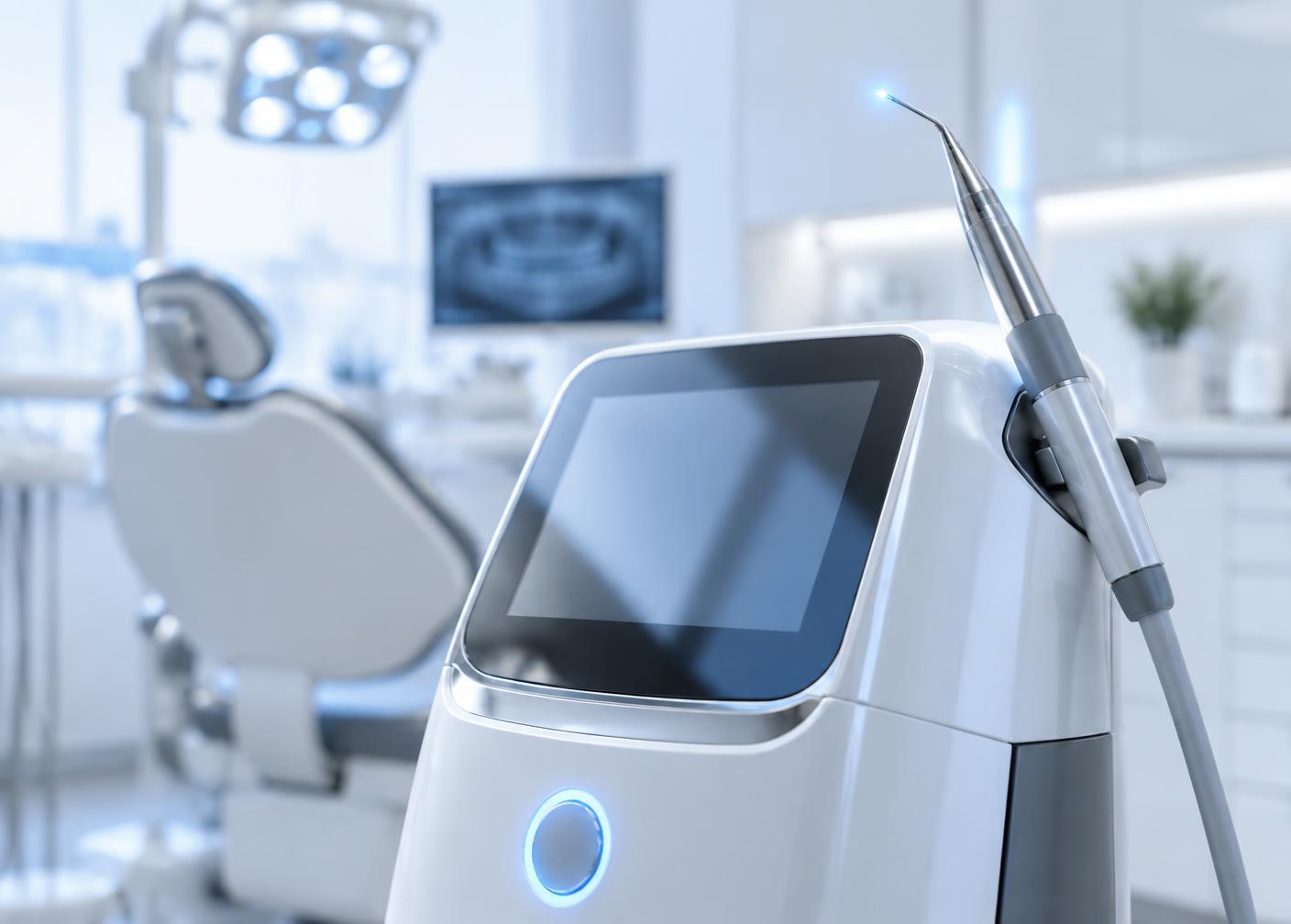
DIAGNOdent laser cavity detection helps identify decay at an earlier stage than visual examination alone.
Preventive Care: common questions
How often should I visit the dentist?
Most patients do well with a professional cleaning and exam every six months. Patients with gum disease or a high risk of decay may benefit from more frequent visits, and we will tell you clearly if that applies to you.
What happens during a dental exam?
We examine your teeth, gums, bite and soft tissues, take any necessary images, screen for signs of decay and gum disease, and then discuss what we found and what — if anything — we recommend.
Are dental cleanings painful?
A routine cleaning is not usually painful. If your gums are inflamed or sensitive, tell us and we will adjust our approach for your comfort.
Related treatments