Advanced Care
Emergency Dentistry
Prompt care for toothache, broken teeth, knocked-out teeth and dental trauma. Call the office first.
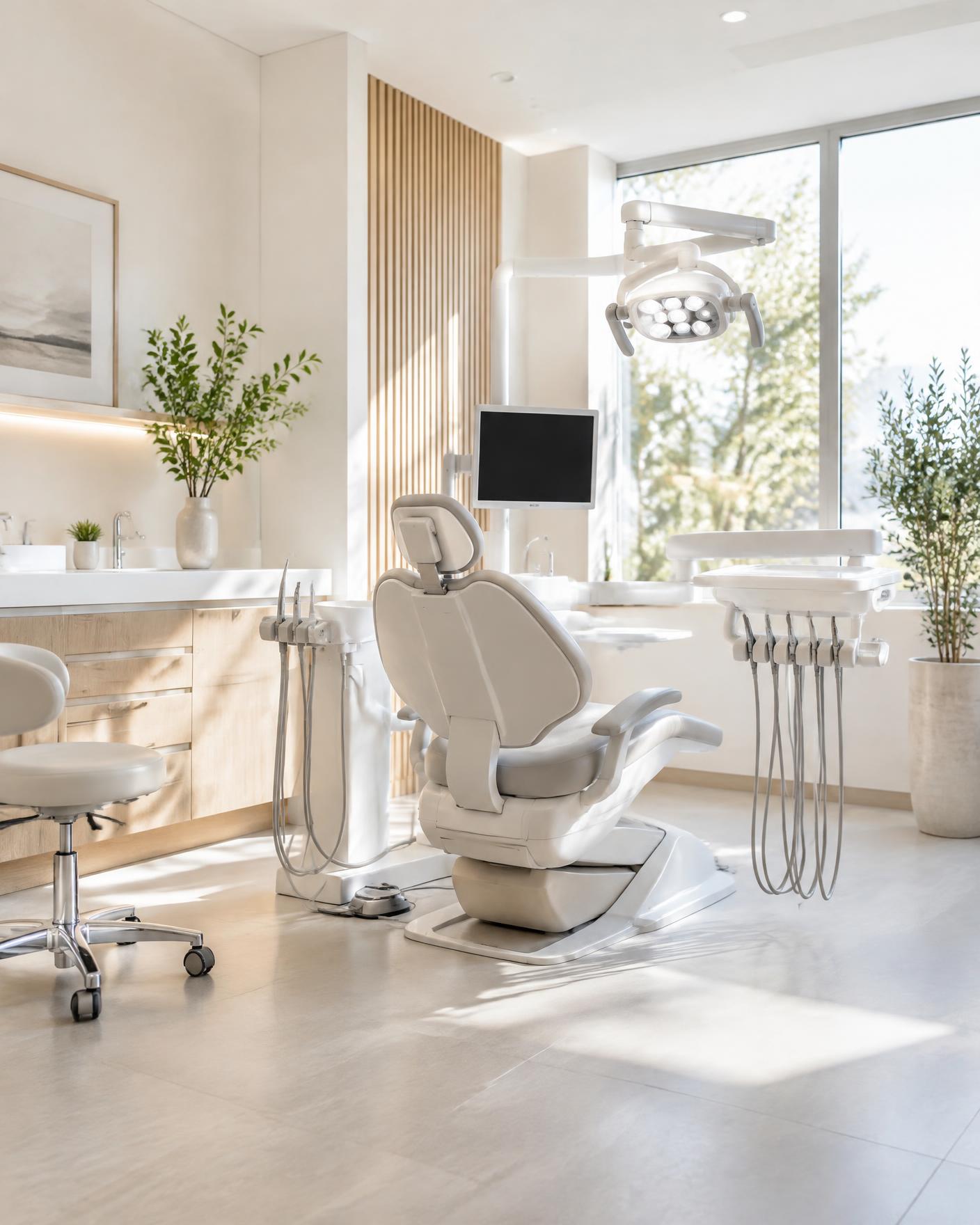
Dental emergencies are easier to manage when they are seen quickly. If you are in pain, have broken a tooth or have had an injury to the mouth, call the office and describe what happened.
If you have a life-threatening emergency, difficulty breathing or significant facial swelling affecting your breathing or vision, contact emergency services immediately.
Who this may help
- Severe toothache
- Broken or cracked tooth
- Knocked-out tooth
- Dental trauma or a lost restoration
How treatment works
01
Call the office
Describe your symptoms so we can advise on immediate steps and timing.
02
First aid
We guide you on what to do in the meantime — for a knocked-out tooth, keep it moist and get seen as soon as possible.
03
Assessment
We examine and image the area to identify the cause.
04
Relief and plan
Immediate relief first, then a plan for definitive treatment.
What to expect
- Call first so we can prioritise your situation.
- Emergency visits focus on relief and stabilisation; definitive treatment may follow.
- For a knocked-out permanent tooth, time matters — call immediately.
Benefits and considerations
- Faster relief from pain
- Better chance of saving a damaged tooth
- Clear guidance before you arrive
- Care from a dentist who knows your history
Emergency Dentistry: common questions
What should I do during a dental emergency?
Call the office at (408) 738-0996 and describe what happened. For a knocked-out tooth, handle it by the crown, keep it moist in milk or saliva and seek care immediately. For swelling that affects breathing or vision, contact emergency services.
Is a chipped tooth an emergency?
A small chip without pain usually is not urgent, but it should still be checked. A chip with pain, sharp edges or exposed inner tooth should be seen promptly.
Related treatments